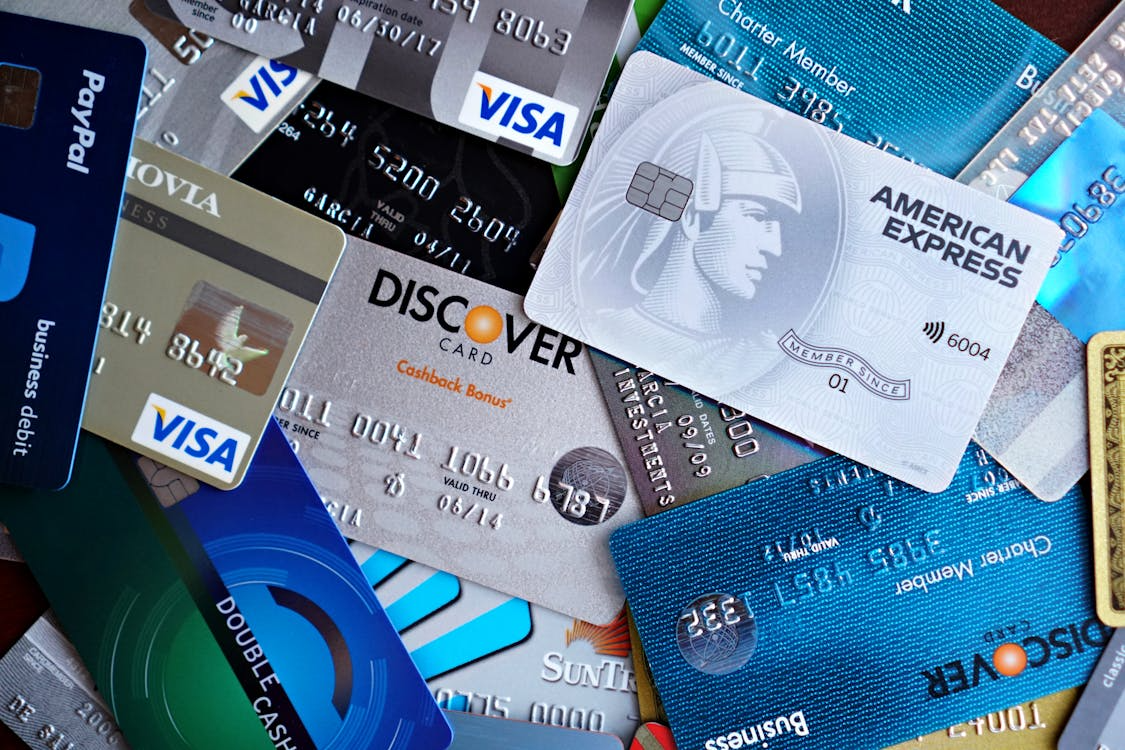
The goal is not to fear credit cards, but to see the incentives clearly and decide how to interact with them on your own terms.
Credit cards are often framed as either dangerous traps or magical tools for free rewards. In reality, they are carefully designed financial products built to generate profit in multiple ways. Understanding how credit card companies make money reveals how the system actually works and how consumers can use cards effectively without falling into costly patterns.
Interest: The Core Revenue Engine
Interest is the most visible way credit card companies make money. When cardholders carry a balance, the issuer charges interest on the unpaid amount. Rates are typically higher than for other forms of debt because credit cards are unsecured.
Interest accrues daily and compounds quickly. Small balances carried over time can generate significant profit for issuers, mainly when payments barely cover interest.
From the company’s perspective, cardholders who carry balances consistently are the most valuable customers. From the consumer’s perspective, avoiding interest entirely is one of the biggest wins available.
Explore How Credit Scores Actually Work to understand how behavior affects borrowing costs.
Merchant Fees You Never See
Every time a credit card is used, the merchant pays a processing fee. This fee is usually a percentage of the transaction plus a small fixed amount. It is split between the card network, the issuing bank, and payment processors.
Consumers rarely notice this cost because it is baked into prices. Even people who pay in cash indirectly contribute, since merchants price goods to cover these fees.
This revenue stream explains why cards aggressively encourage usage. The more transactions flow through cards, the more money issuers make, even if balances are paid in full.
Read What ‘Inflation’ Means In Real Life for everyday price mechanics.
Fees Beyond Interest
Interest is not the only source of profit. Credit cards also generate revenue through late fees, foreign transaction fees, balance transfer fees, and cash advance fees.
Many of these fees are triggered by behavior rather than necessity. A missed payment, a poorly timed transfer, or a cash withdrawal can all activate charges.
These fees are not accidents. They exist to monetize friction and mistakes. Understanding them reduces surprise and gives users more control.
Rewards Programs and Why They Exist
Rewards programs are not generosity. They are marketing tools funded primarily by merchant fees and interest from other users.
When a card offers points or cash back, the issuer expects that overall spending and engagement will increase. Some cardholders will overspend chasing rewards. Others will carry balances, offsetting the cost of rewards paid to disciplined users.
This creates a cross-subsidy. People who pay interest and fees help fund rewards for those who do not. This is where opportunity exists for consumers who stay disciplined.
See How Money Evolved: Barter To Banks To Digital for insights on historical money.
How Credit Card Companies Assess Risk
Issuers constantly evaluate risk. Credit limits, interest rates, and promotional offers are adjusted based on payment history, utilization, and overall credit profile.
High utilization and inconsistent payments signal risk and trigger higher rates. Low utilization and consistent payments signal stability and often unlock better offers.
This feedback loop explains why good behavior tends to compound benefits while poor habits become more expensive over time.
How to “Win” Without Playing Games
Winning at credit cards does not require hacks or complex strategies. It involves alignment with how the system is built.
Paying balances in full avoids interest entirely. Keeping utilization low protects credit scores. Ignoring rewards unless spending is already planned prevents overspending.
Using cards as payment tools rather than borrowing tools flips the profit equation. The issuer earns merchant fees. You earn convenience and rewards. Interest stays out of the picture.
Check out How Subscriptions Trap You (And How To Escape) for spending awareness.
Why Credit Cards Feel Risky to So Many People
Credit cards compress time. They separate spending from payment, which weakens the psychological signal that money is leaving. This design benefits issuers by encouraging higher expenditure.
Recognizing this gap helps restore control. Treating card balances as immediate obligations rather than future problems changes behavior.
Credit cards are neither villains nor heroes. They are systems with clear incentives. Seeing those incentives clearly is the first step to using them effectively.