Understanding why cities look the way they do helps explain daily frustrations such as traffic, long commutes, a lack of sidewalks, and unequal access to services.
Cities don’t grow randomly. Their shapes, neighborhoods, roads, and skylines are the result of layers of decisions made over decades or centuries. Some choices were deliberate, others reactive, and many were shaped by the technology, economics, and politics of their time. What people experience today as “the city” is really a physical record of past priorities.
Urban design isn’t just aesthetic. It affects how people move, live, and interact.
Early Cities and the Logic of Proximity
The earliest cities formed around survival needs: water, trade routes, and protection. Streets were narrow because people traveled on foot or by animal. Homes, markets, and workplaces clustered together because distance was costly in time and effort.
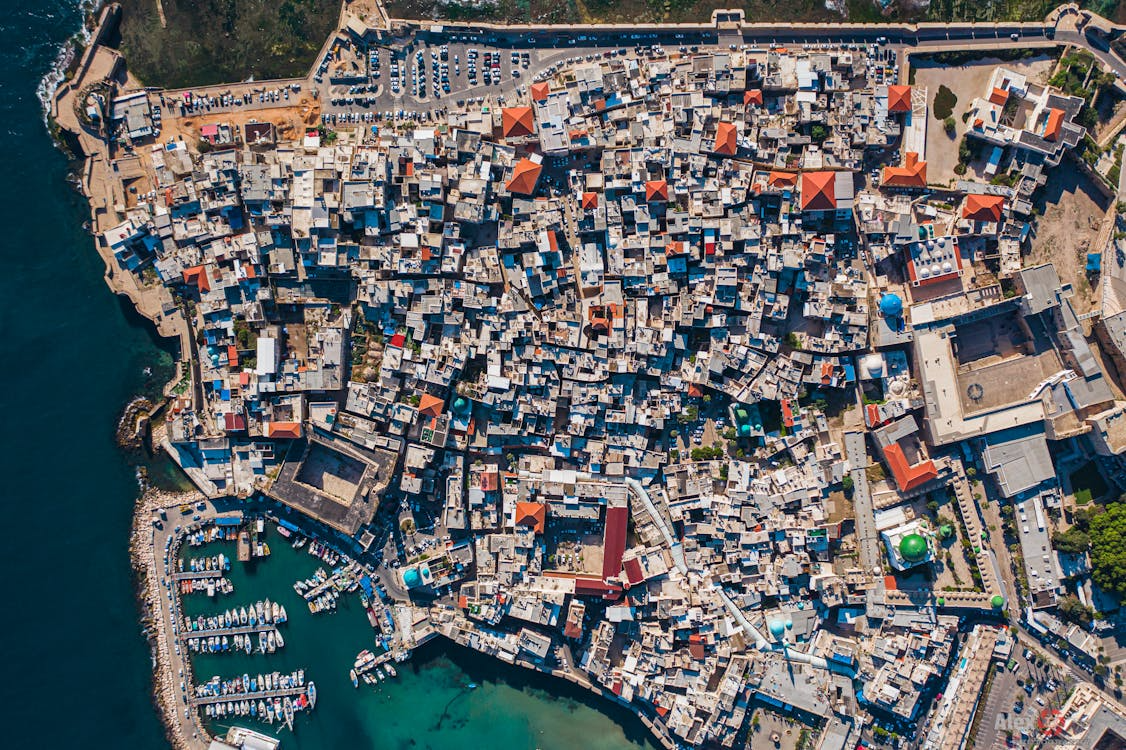
These older city centers often feel dense and walkable today. That wasn’t intentional design for comfort; it was a necessity. Everything needed to be nearby. Walls limited expansion, and land inside them was valuable, leading to compact layouts.
This is why historic city cores often have irregular street patterns. They grew organically rather than following a master plan, adapting incrementally to population growth and terrain.
See Renting vs Buying: A Simple Decision Guide for housing tradeoffs shaped by city design.
Industrialization and the Separation of Functions
The Industrial Revolution dramatically altered city design. Factories brought jobs but also pollution and noise. To manage this, cities began separating residential areas from industrial ones. This marked the beginning of zoning, a set of rules that dictate which types of buildings can exist where.
Railroads and ports shaped industrial districts, while worker housing clustered nearby. Wealthier residents moved farther away, seeking cleaner air. This separation laid the groundwork for economic and social divides that still exist in many cities.
Infrastructure followed industry. Roads, rail lines, and utilities were built first to support production, often at the expense of livability.
Read The History Of The 40-Hour Work Week for industrial-era labor context.
Cars, Highways, and the Rise of Suburbs
The widespread adoption of cars transformed cities more than almost any other technology. Roads widened, parking became essential, and distances mattered less. Governments invested heavily in highways, often cutting directly through existing neighborhoods.
Suburbs expanded rapidly as people traded proximity for space. Single-family homes, zoning restrictions, and car-dependent layouts became common. Shopping centers replaced walkable main streets, designed around driving rather than strolling.
These decisions reshaped daily life. Commutes grew longer. Public transit declined in many areas. Cities spread outward instead of upward, creating the patterns now known as urban sprawl.
Learn How GPS Knows Where You Are for how navigation changed movement patterns.
Walkability, Density, and Modern Reconsideration
In recent decades, many cities have begun rethinking earlier design choices. Traffic congestion, pollution, and housing shortages revealed the limits of car-first planning. Walkability and mixed-use development returned as priorities.
Density is being reconsidered not as crowding, but as efficiency. When housing, jobs, and services are closer together, cities use land and infrastructure more effectively. Sidewalks, bike lanes, and public transit investments reflect this shift.
However, redesigning cities is slow. Existing roads, zoning laws, and buildings constrain change. Cities are layered systems, and each generation inherits the physical consequences of past decisions.
Explore How Governments Make Laws (In Plain English) for how zoning rules are created.
Cities as Living Systems
Cities look the way they do because they are living systems shaped by trade-offs. Each era solved its problems using the tools and values available at the time, often creating new challenges for the future.
There is no single “correct” city design. Different layouts serve different needs. But understanding how cities evolved makes it easier to evaluate proposed changes and imagine better outcomes.
Urban form isn’t fate. It’s history made visible, and history can be carefully, slowly, and intentionally revised.