
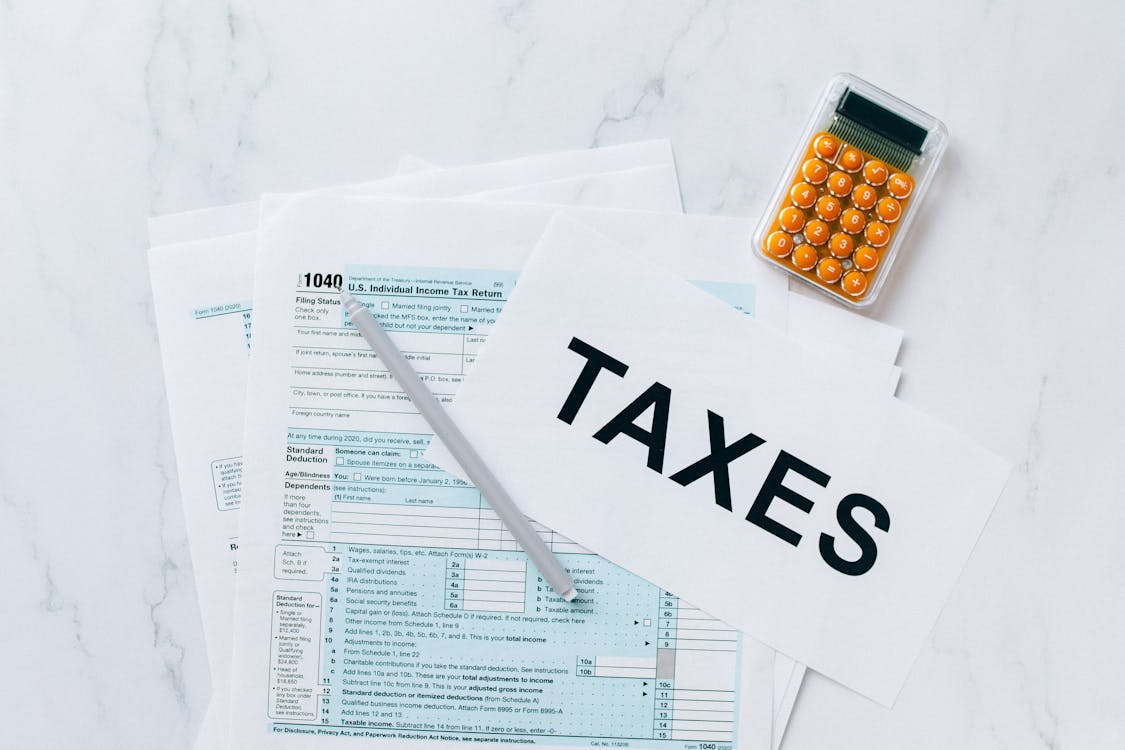
This guide focuses on how taxes work for regular people, not edge cases or advanced strategies.
Taxes are often framed as either impossibly complex or deliberately confusing. In reality, the basic structure is simpler than it appears. Most frustration comes from misunderstandings about how income is taxed, why refunds happen, and what the system is actually doing behind the scenes. Once those pieces are clear, taxes feel less like a mystery and more like a predictable process.
How Tax Brackets Really Work
Tax brackets are commonly misunderstood. Many people believe that earning more money pushes all their income into a higher tax rate. That is not how the system works.
Tax brackets are marginal. This means different portions of your income are taxed at different rates. If you move into a higher bracket, only the income above that threshold is taxed at the higher rate. The rest is still taxed at the lower rates below it.
This structure prevents sudden penalties for earning more. Making more money always increases take-home pay, even if part of that income is taxed at a higher rate.
See How Money Evolved: Barter To Banks To Digital for background on financial systems.
What Withholding Actually Is
Tax withholding is the amount your employer sends to the government on your behalf throughout the year. It is not your final tax bill. It is an estimate based on the information you provide on your tax forms.
The goal of withholding is to prepay taxes gradually so you do not owe a large amount all at once. Ideally, withholding would closely match your actual tax liability, but it rarely aligns perfectly.
Adjusting withholding changes cash flow, not total taxes owed. Too much withholding means less money in each paycheck. Too little means a bill later.
Why Tax Refunds Happen (And Why They Aren’t Free Money)
A tax refund means you paid more in taxes during the year than you ultimately owed. The government is returning the excess.
Refunds often feel like a bonus, but they are better understood as an interest-free loan you gave to the government. That money could have been in your paycheck throughout the year instead.
Some people prefer refunds for forced savings and predictability. Others prefer larger paychecks and minimal refunds. Neither approach is wrong, but understanding the tradeoff helps.
Check out What ‘Inflation’ Means In Real Life and how it impacts everyday costs.
Credits vs Deductions: The Key Difference
Deductions reduce the amount of income that is taxed. Credits reduce the tax bill itself. This distinction matters.
A deduction saves you a percentage of its value based on your tax rate. A credit reduces taxes dollar-for-dollar. For example, a $1,000 credit reduces your tax bill by $1,000.
Credits are generally more powerful, which is why eligibility rules are often strict. Understanding which benefits apply to you helps avoid surprises and missed opportunities.
Why Owing Money Isn’t a Failure
Owing taxes at filing time does not mean you did something wrong. It often means withholding was slightly low or income changed during the year.
People with multiple income sources, side work, or freelance earnings commonly owe taxes because withholding systems are designed around steady paychecks. This is normal, not a red flag.
The real problem is large, unexpected bills resulting from a misunderstanding of how taxes accumulate. Planning, not perfection, is the goal.
Learn What Happens When You File Bankruptcy for the real consequences of serious debt.
The Purpose of the Tax System in Daily Life
Taxes fund shared infrastructure and services that individuals cannot efficiently provide on their own. Roads, schools, public safety, and regulatory systems all rely on tax revenue.
For individuals, the tax system is a balancing mechanism. It adjusts payments based on income, family status, and certain expenses. While imperfect, it is structured around capacity rather than flat obligation.
Understanding this framework reduces resentment and replaces it with clarity.
Explore How Governments Make Laws (In Plain English) for insight into public policy creation.
How to Think About Taxes More Calmly
Taxes feel stressful when they are treated as a once-a-year event. In reality, they are an ongoing process spread across paychecks and months.
Viewing taxes as predictable math rather than judgment makes them easier to manage. Most people do not need advanced strategies. They need clear expectations and basic literacy skills.
Once those are in place, taxes stop feeling adversarial and start feeling routine.